
I’m sitting beside the pond at Nung Chan Monastery. Lotus flowers in the water, people taking a break from a meditation retreat, traffic roaring past on the elevated road nearby. It strikes me that this is one of the few moments lately when I’ve slowed down enough to spend some time with myself. I decide to finish the work reflection I’ve been putting off. Time to turn the page, I think.
Where to begin?
31 September was my last official day at Zeabur. After the security incident in August and a great deal of deliberation, Yuanlin decided to make half the team redundant.
Honestly, I don’t have much to say about the decision itself. Spend enough time by the river and you’re bound to get your feet wet; that’s always been how I’ve thought about working in startups. Besides, after the news earlier this year about a startup founder attacking employees with a knife, and another founder dying by suicide in the office, being able to leave peacefully feels like a small mercy. As for the twists and turns of the handover and redundancy process, some things are better left unsaid. I’ll leave it there.
Zeabur is shutting down this weekend, though I suspect the aim is to focus on the new product line discussed below. This is only my perspective from having worked on the team, not a substitute for an official statement.
Still learning to be a builder
I joined Zeabur as its Founding Marketer, the first person without a technical background on a team of engineers. Over my two years there, I worked across more areas, and at a greater intensity, than I’d expected. Right to the very end, it was a job that gave me plenty of room to learn and grow.
H1 2025: Laying the groundwork, building a presence
I returned to Taipei in January 2025 and officially joined Zeabur in February. I still remember how it happened: after visiting STR Network and securing our first Team Plan customer, Yuanlin and I sat down at the big Louisa Coffee in Minsheng Community to agree on my salary and responsibilities. We also talked about how I saw products and the startup world.
Then came vibe coding, Cursor’s rise, and the wave of AI enthusiasm that Karpathy’s post sent out from the Bay Area into one market after another. Zeabur had been out of its accelerator for roughly two years, but was still little known even in Asia and had already burnt through a fair amount of its funding. My work therefore leaned towards communications and brand marketing.
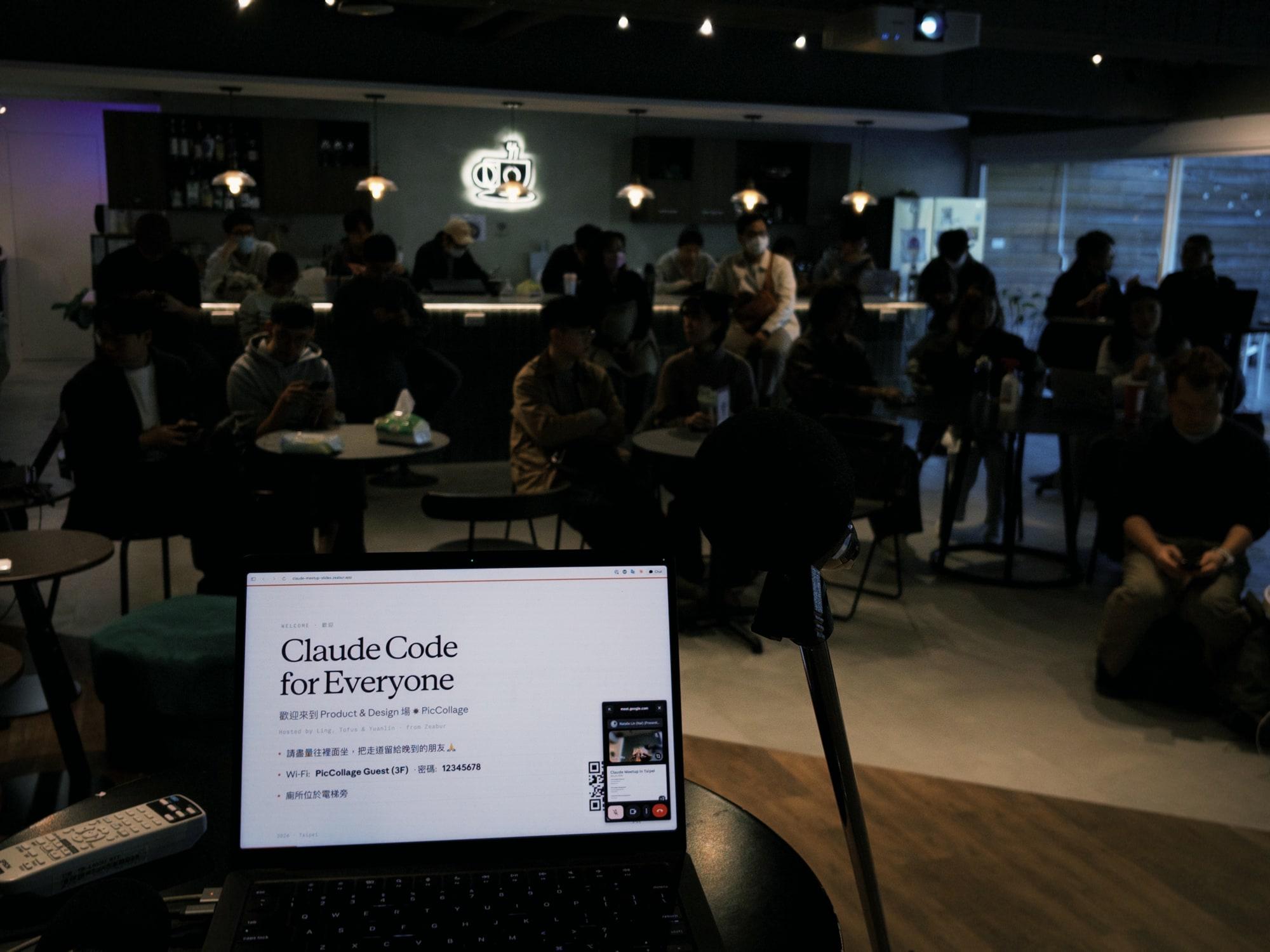
I arranged appearances on Sidechat and Meet Startup, pursued other opportunities for exposure, hosted events myself, and joined plenty of meetings with investors. I also started experimenting with Threads to get Zeabur’s name out there, whilst nudging Yuanlin to put more work into founder branding.
The platform was only just taking off then. Even its Taiwanese nickname, ‘Cui’, came later. I’ve since had plenty of thoughts about using it as a marketing channel.
H2 2025: A Bay Area adventure
Finally, Zeabur saw its first wave of growth in the second half of the year. The surge in n8n’s popularity pushed revenue and user numbers to a new high, at least to a level that made sense for a seed-stage startup. That gave us a foundation for the fundraising opportunities we would pursue in the Bay Area.
The month and a half I spent there reshaped how I thought about startups and tech giants, especially growth. The talk by Elena, Lovable’s Head of Growth, stood out. Our whole team flew to San Francisco for Tech Week, which included three of the craziest weeks of my life: wake up, head out to events, demo the product, talk to more humans than I could count, repeat. Imagine the constant conversations with strangers on New Year’s Eve, every day. I even wrote down what I’d learnt about building relationships at events.
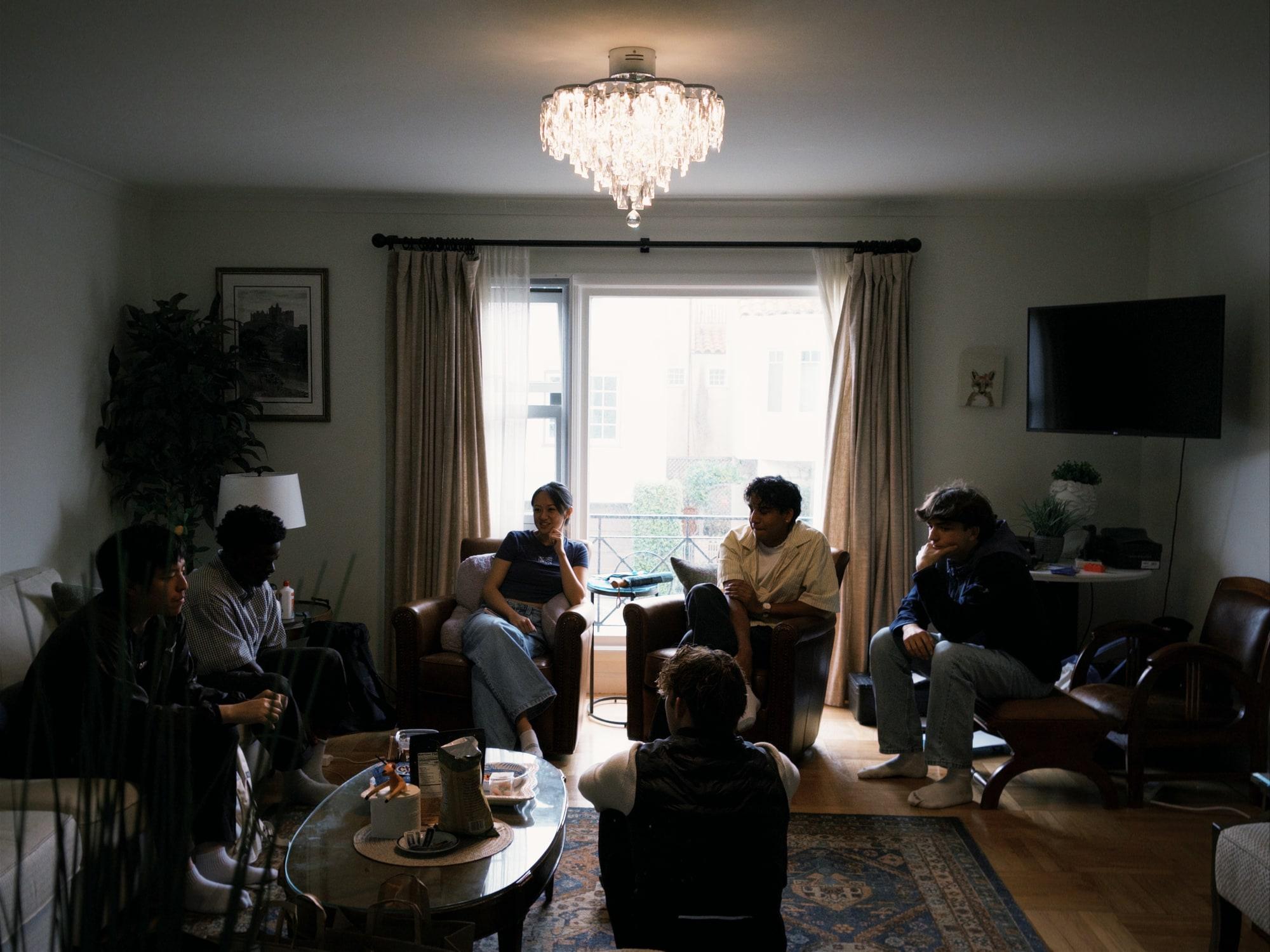
That was also when Zeabur began its push into the US market. We hired a Korean American colleague as Head of Growth to lead it, and the marketing team grew to five. Looking back, I have quite a few thoughts about how we hired and built that team.
H1 2026: Experiments in new markets
After we returned from the Bay Area, Zeabur opened a physical office in Taipei, which has also recently closed. At the start of the year, we held workshops on our North Star metric and product strategy, followed by a series of audience and market experiments. We began hosting different kinds of events for founders in the office, and tested the response in different markets in January and June.
The lobster craze arrived in March, and AI Hub, which we’d launched before Lunar New Year, happened to catch it. I thought of something Wen-yi had said in our strategic management class: ‘With a strong enough tailwind, even a pig can fly.’ Coincidence, luck, or both. I don’t know whether we were pigs caught in an updraught or had genuinely anticipated where the market was heading. Either way, an early-stage startup will try just about anything that brings in revenue. Grinding, I suppose.
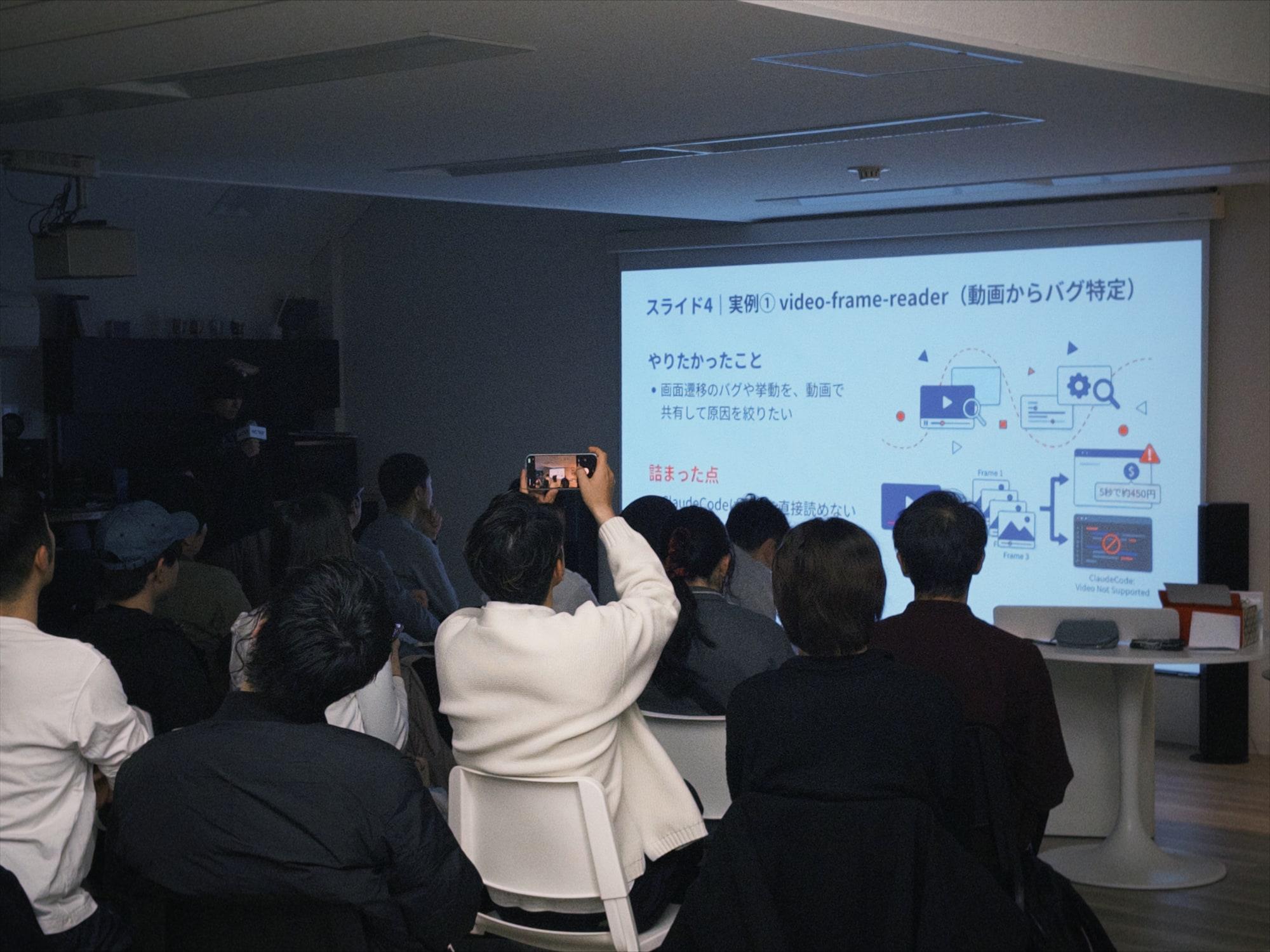
After the lobster craze, with Claude Code’s release and the rapid succession of advances in large language models, we had several discussions about where the operations industry might be heading. Around May and June, Zeabur also began working on a second product line, Nuphos: an AI DevOps Workspace for enterprise operations teams, built on the team’s experience of maintaining the Zeabur platform.
Q3 2026: An incident and a change of direction
From May onwards, I spent part of my time supporting sales for the new product line. Even during my holiday in June, I kept working in workation mode. By July, though, Nuphos had already moved from a purely sales-led growth model to product-led sales.
In August, whilst we were working away from our usual base, we launched the new product on X and Product Hunt. Honestly, the results were disappointing. We hit the numerical targets, but the launch did little for the growth that followed. I’ve kept working backwards from that result, trying to understand where things went wrong. Then came the security incident in late August, and my redundancy notice in mid-September.
From June onwards, the team had repeatedly discussed the future, direction and costs of both product lines. Closing AI Hub, in particular, was a decision we reached after several meetings.
What I observed
Over the past year, people inside and outside the team have asked me in all sorts of settings: ‘What’s Yuanlin like as a boss?’ First, I should say that Yuanlin Lin is one of the most product-minded engineers I’ve met. Beyond his technical ability and eye for design, he has a certain product intuition that I rarely see in people with an engineering background. It helped carry Zeabur through several peaks of growth. He’s also open about his weakness: dealing with people. That connects to the three observations below.
Why hiring needs a system
‘People come and go quickly in startups.’ That pretty much sums up the approach to hiring. A growing team’s culture, principles and habits take shape through that movement of people. At Zeabur, hiring criteria and the reasons for opening roles followed the pace of product development. But a company approaching a Series A should, I think, have a sufficiently mature team in place to take its product to market, including a complete chain of decision-making responsibility.
From the start of the year, I kept pushing Yuanlin to find a CMO in the Bay Area to lead the US expansion. Perhaps we saw things differently because of our roles; whatever the mix of considerations, it never happened. People came and went from the marketing team. From a peak of five, colleagues gradually left, and by the time I left, the team had effectively been cut altogether. Now, after four years, the product line is shutting down too.
‘Is the problem you need to solve a product problem, or a marketing problem?’ A friend who’s a senior product manager put that question to me during a conversation.
I think the absence of a strong leader who understood how the US market worked, and had the network and resources to act on that understanding, mattered quite a lot. Another crucial part of that role would have been to influence the company’s direction and decisions from a management position. In other words, argue with Yuanlin. XD. With nobody hired, Yuanlin was also filling the CMO role, which brings me to the next point.
When roles pull in different directions
The boundaries between roles in a startup are often blurry. You make plenty of calls based on your understanding of the company and its product, plus that thing people call workplace instinct. Most of the time, that’s fine. What troubled me repeatedly over the past six months was this: when several roles conflict, which one takes priority?
As a solo founder, Yuanlin was simultaneously founder, CEO and CMO. Coming from software engineering, he naturally had familiar ways of thinking, and those habits shaped his preferences when making decisions. Of course, every department and decision-maker weighs things differently. Zeabur wasn’t big enough for office politics, nor was there any need for it. But Yuanlin’s attention was finite, and limited resources meant some things inevitably carried more weight than others.
We’d also known each other since the days when I was running 設計系 (Shejixi). Beneath all those working roles, we were friends. That made the redundancy process particularly difficult.
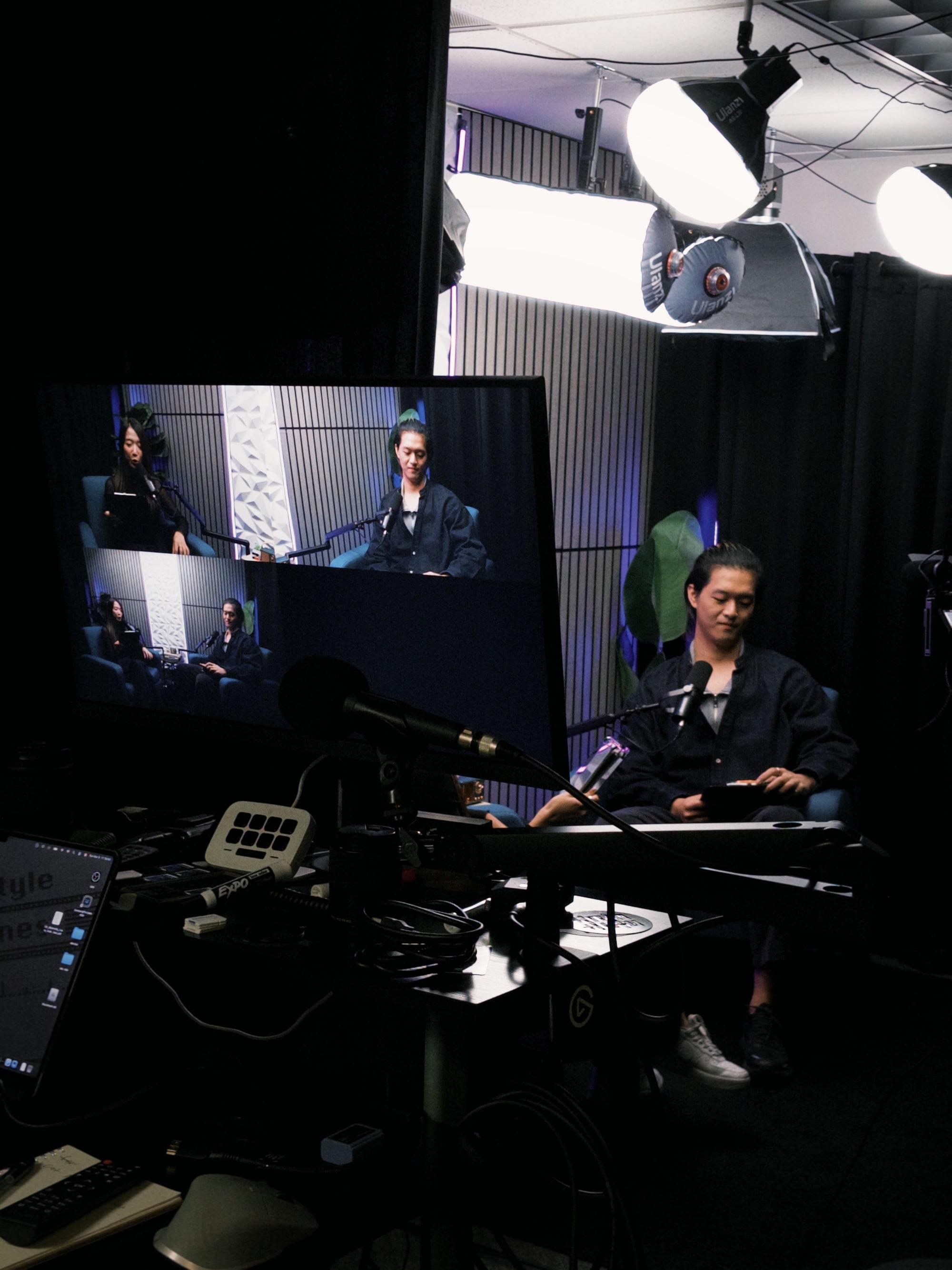
How decisions took shape
As the solo founder, when Yuanlin faced decisions with a wider impact, I noticed that he would choose tools for ‘reaching consensus’ to persuade the team towards a particular option, even when those tools were originally designed to be used neutrally. That isn’t necessarily a problem in itself. But I’ve recently been reading Principles: Life and Work, by Bridgewater founder Ray Dalio, and thinking about his idea of ‘radical open-mindedness’: listening seriously to different voices and opinions, setting aside your own perspective, and helping a team reach agreement that way.
Different teams have different decision-making styles, preferences and ways of working. Zeabur was still, at its core, an organisation where one person made the decisions. You could see that quite clearly in Nuphos:
-
In June, we chose sales-led growth, pulling people from marketing and support into sales.
-
In July, we switched to product-led sales and decided to organise a product launch. The product was closed source then, with pricing options ranging from premium to freemium.
-
In September, we chose open source and removed the pricing page.
You can, of course, see this as the experimentation and iteration an early product goes through. But the team had already discussed many of these mechanisms, pricing choices and other questions along the way. Those views seemed to be passed over when a decision was made, only to resurface later. Inside the team, it often left me thinking: ‘Hang on, what was the point of attending that consensus meeting?’ Then there was the execution after each product decision. Marketing’s work on acquisition and PR’s external communications often felt disconnected from the product, because conflicts between roles meant those considerations rarely came first when the decision was taking shape.
Looking back at myself
After two years of intense work, there are plenty of things I now wish I’d handled better, or with a little more tact.
As a marketer
I once told Yuanlin that I didn’t want to become a spare pair of hands, moved around whenever somebody needed help. During my time at Zeabur, I repeatedly tried to work out what sort of product marketer I was becoming. Even now, I struggle to put it into words.
Product marketing alone can mean traditional Product Marketing, developer marketing in the dev tools world, revenue operations (RevOps), the recently popular Growth Engineering, Sales Enablement, or even doing sales yourself. Over those two years, I did all of them. The awkward part, and what feels like a missed opportunity, is that I haven’t yet gone deep in any one direction. Still, wherever I end up specialising, two parts of the craft stand out in my reflections.
Making the case for a budget
Timing matters enormously. My biggest regret now is not proposing an annual budget just after we’d raised funding. People are easier to talk to when they have money to spare; the same principle applies here. Choose the right moment to plan. How you structure and present the proposal matters too. I’d watched Philip do this a few times at Oursky, yet when it was my turn, I was nervous and, frankly, didn’t do a particularly good job.
When money is involved, whether it’s yours or someone else’s, you need a better grasp of basic human nature.
Choosing channels
At Zeabur, I worked with the usual three social platforms as well as startup forums such as Hacker News and developer communities such as Dev.to. Choosing channels is part of every marketer’s basic training. First, understand where your audience gets information, then put your effort into those places. Different channels also serve different purposes; conversion and exposure, for example, call for different choices.
Using Threads as our main channel in Taiwan was a double-edged sword. When the platform was new, traffic and conversations moved quickly, and certain phrasing or tones could bring huge exposure in a short time. Threads certainly helped Zeabur’s visibility grow rapidly over the past year. But what carries you can also sink you: it was also through Threads that public reaction to the recent incidents spread far faster than I’d imagined.
We had a channel at Zeabur that automatically picked up keyword mentions, and I was the one keeping an eye on most of what it caught. Sometimes I’d see familiar faces saying one thing in the group and another on Threads, and think: even a Sichuan opera performer would struggle to change faces that fast.
Still learning to be an adult
Zeabur was my first full-time job after my master’s degree. My limited experience showed, and there are still plenty of things I want to work on.
Learning to manage up
Perhaps Jess spoilt me when I worked at Revere. I’d become far too used to an easy relationship with my manager. Looking back over the past year at Zeabur, I said quite a few things that probably weren’t the easiest things for an employee to say directly to their boss. But I said them anyway. Sometimes the same words, delivered at a different moment or in a different order, can have the same effect without putting someone on the defensive. Knowing how to say things is a skill in its own right. I’m working on it.
Communicating through conflict
As with managing relationships, when you face a conflict of any size, you need to work out where your boundaries are first. The sooner you know them in the moment, the sooner you gain an advantage in the negotiation. Every conflict involves a negotiation, whether mentally or physically.
Anger is a weapon for defending yourself. Use it carefully, and use it well.
That’s my biggest reflection after everything that happened. Anger helps defend your boundaries, and I think I handled this challenge, and used that anger, reasonably well. There’s still a higher level to work towards: staying entirely calm in the moment and dealing only with the matter at hand. More practice needed.
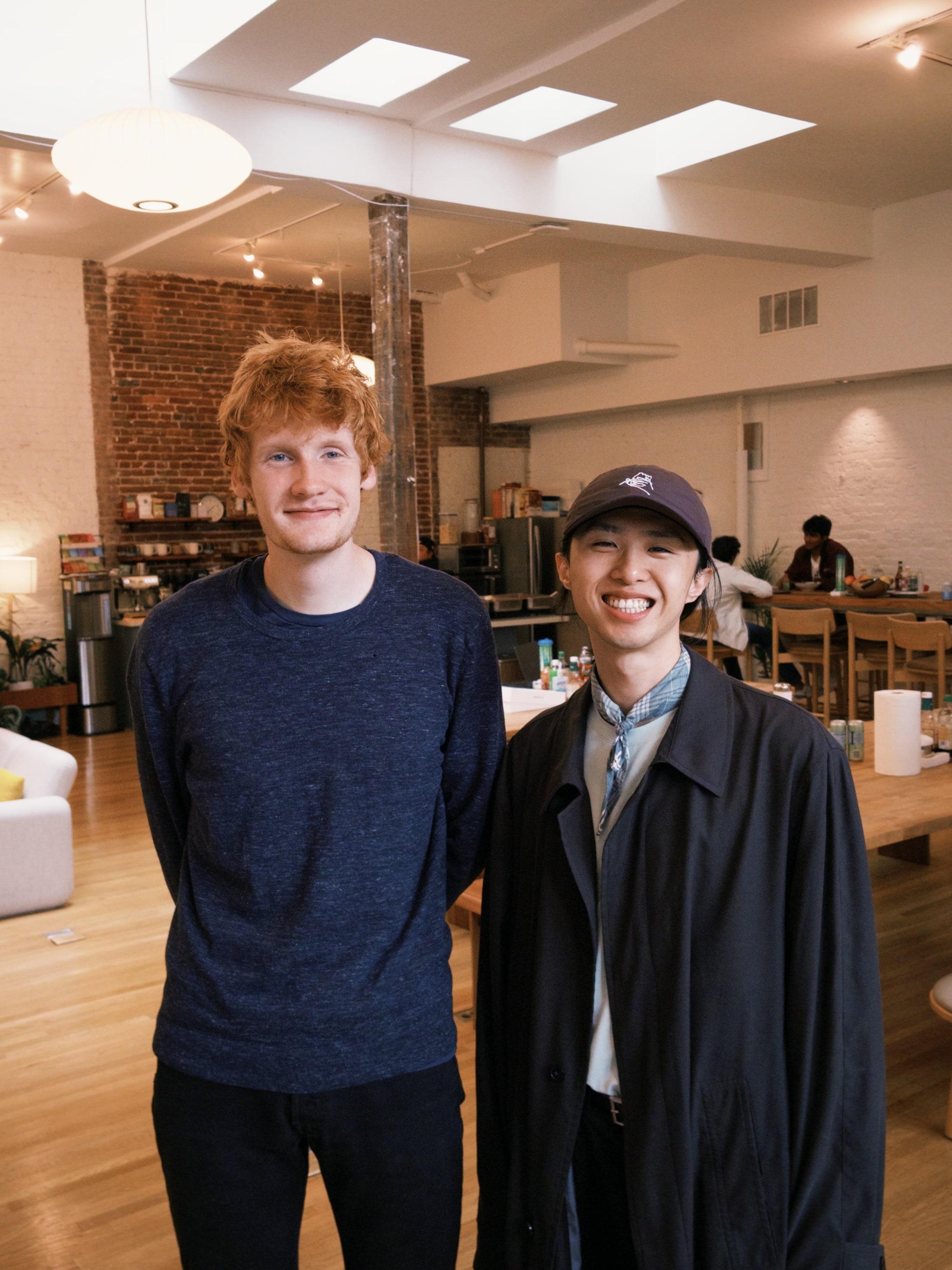
Finally, this has turned into a very long reflection, over 4,000 Chinese characters. It’s been a while since I wrote an article myself. Lately, I’ve seen so much AI-generated content on social media that nobody has bothered to check; after a while, you can spot it at a glance. Working in content has made me particularly intolerant of rubbish. If you can’t even take the time to proofread the words you’re putting in front of the public, being human in this age of AI feels rather sad.
Running a company and leading a team involve countless intricacies that outsiders can’t see and only people inside the organisation understand. But perhaps AI tools have become so easy to use that people pick up a few and start showing off their experience and supposed insight, like monkeys showing off peaches, as though they deserve applause for having discovered fire.
I’ve been reading Walter Benjamin lately. His idea of aura feels rarer in this age. The AI monkeys, on the other hand, seem to be multiplying.