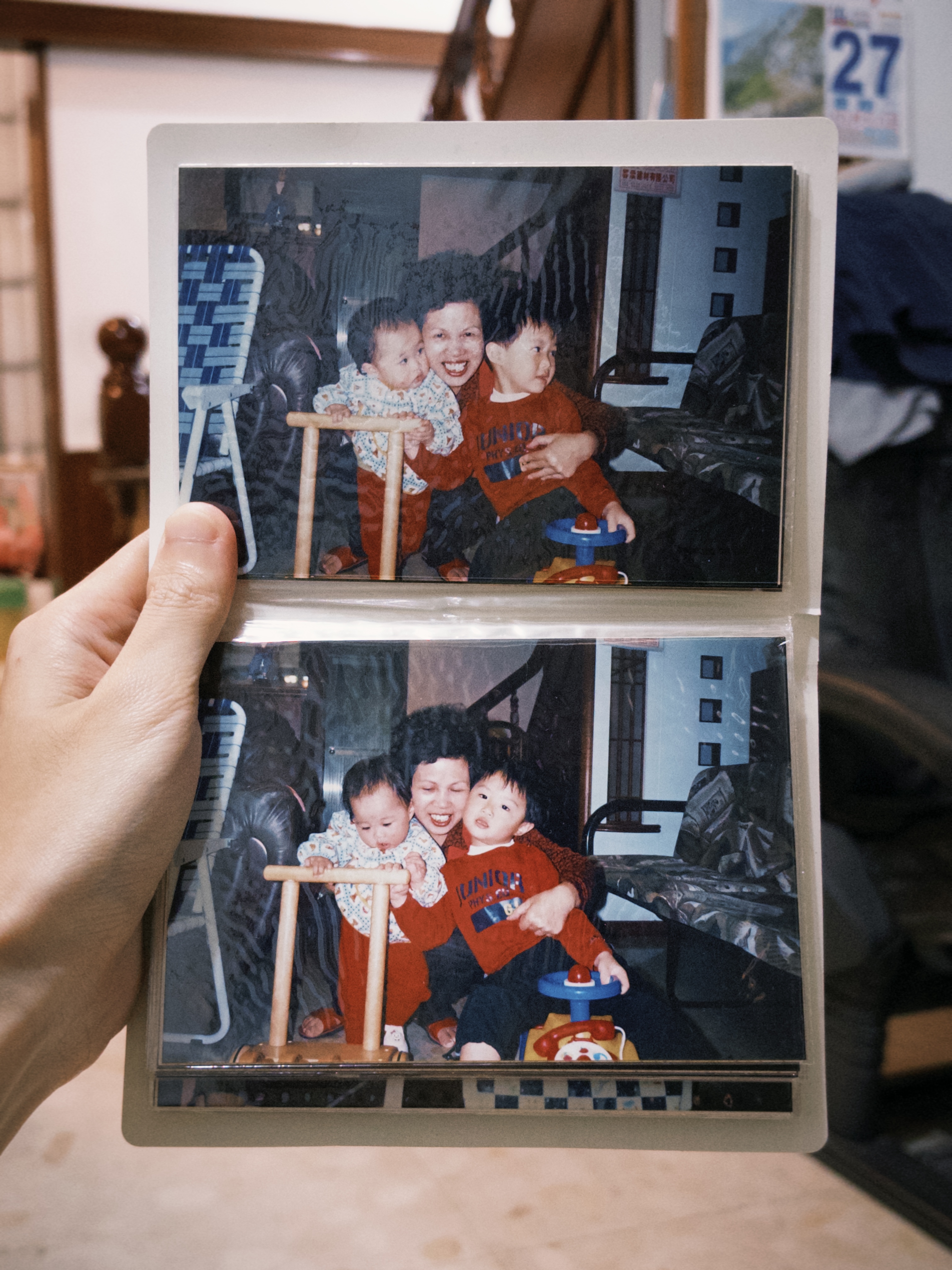
This piece is dedicated to mum and uncle, to comfort their grief and sorrow. It is dedicated to Ms Hô A-Buán, who loved me so dearly, and to the family and friends.
A-Buán was an unusual woman.
She was born in Taiwan, 1944. The Second World War ended the following year. Japan surrendered, and Taiwan came under the rule of the Republic of China.
It was a troubled time, a bewildering time.
The KMT’s retreat to Taiwan may recall our memories from the book Big River, Big Sea: Untold Stories of 1949, the lives driven from one shore to another. For most ordinary people, though, there was little grandeur in it. They were being carried along by time, trying to make lives.
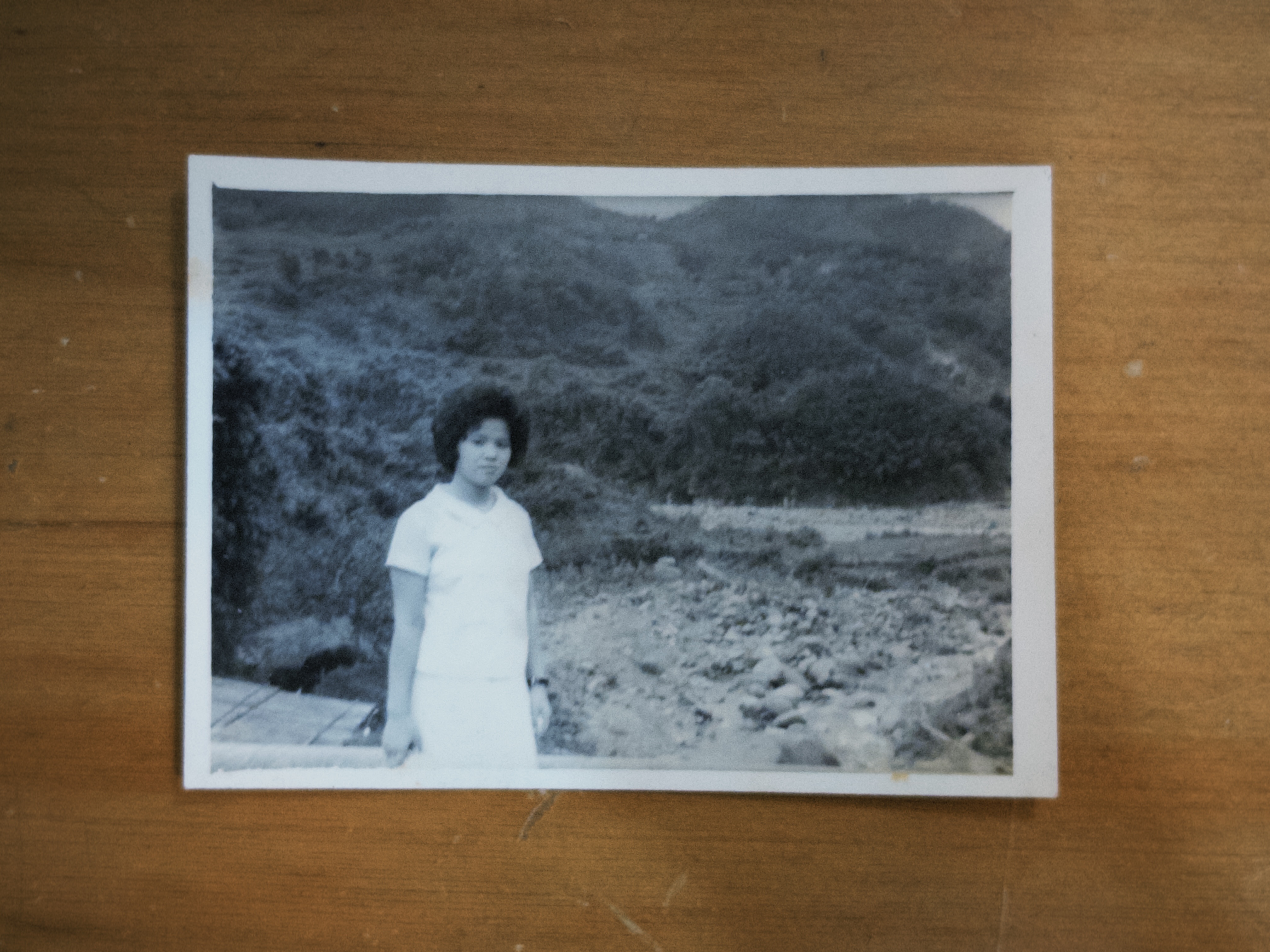
A-Buán’s life had not been easy. She came from a Hokkien family with some Hakka ancestry. Not born a well-off family, they sold her to a foster family when she was very young. Whenever she missed her parents, she would run a long way back to her old home.
Back then, people believed beating made them obedient. Her foster mother treated her poorly and beat her whenever she brought her back from her old home. The foster home did not allow the children to attend school, so A-Buán never learnt to read.
In those days, women were treated as men’s property. A-Buán was married off very young.
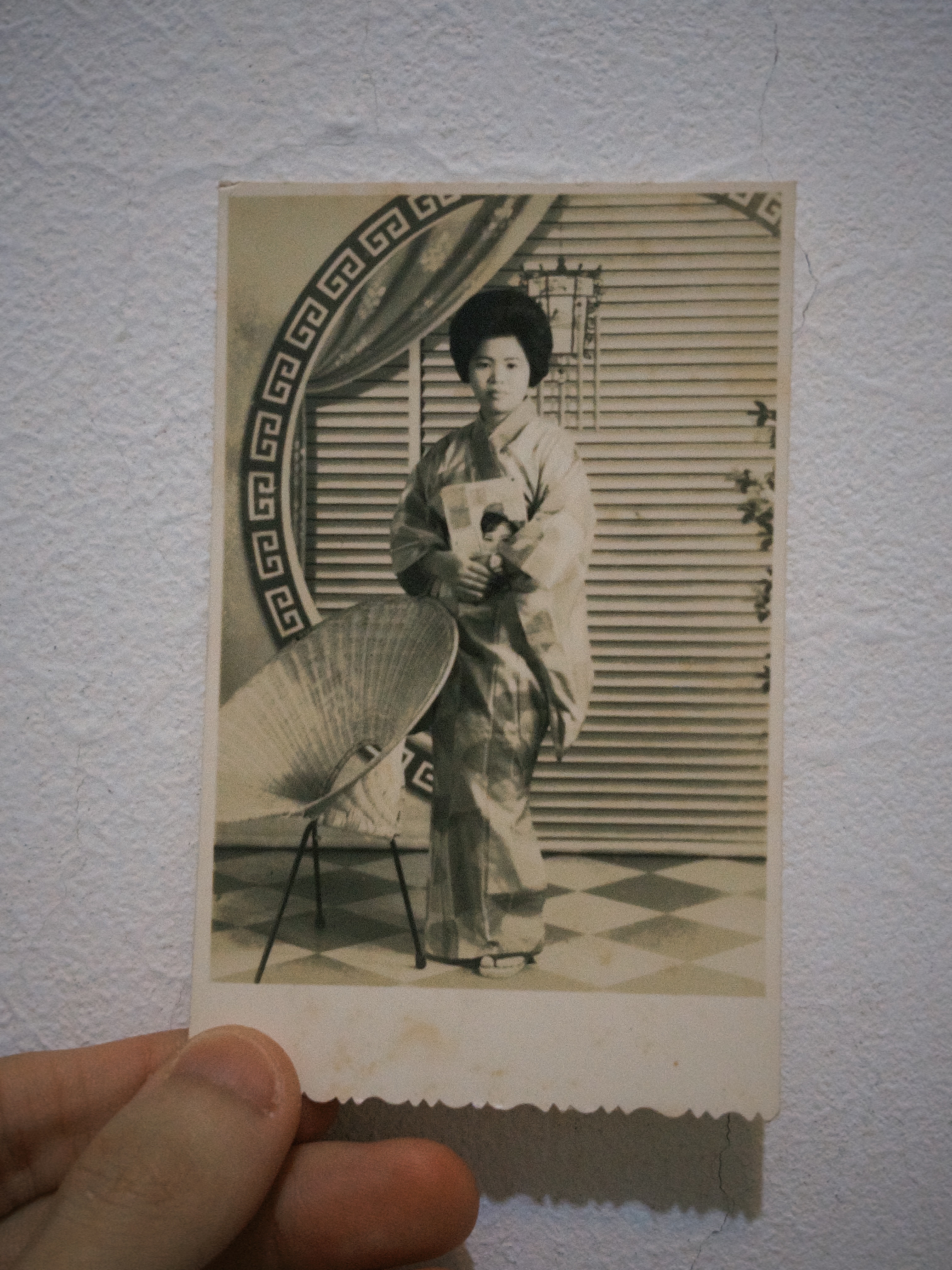
The foster mother later married her off to a landowner from Taichung. His first wife had died; A-Buán was his second. She looked after his children and had a son and a daughter of her own. Her husband did not treat her well, and after a time they divorced.
This was Taiwan around the 1960s, the years of martial law and the White Terror. Even it was not a family concerned with politics. Still, a woman who left her marriage with nothing, alone with two children to bring up, must have had to bear more than her share of judgement. The neighbours in the lanes, around the street corners were just like the crowds in Lu Xun’s stories, chewing their steamed buns, murmuring over things.
A-Buán went out early and came home late, working in a factory and saving her wages. Friends lent her thirty thousand Taiwan dollars; her birth parents gave her seventy thousand. In the end she pieced together a hundred and forty thousand and bought a single-storey house near Longgang, in Zhongli.
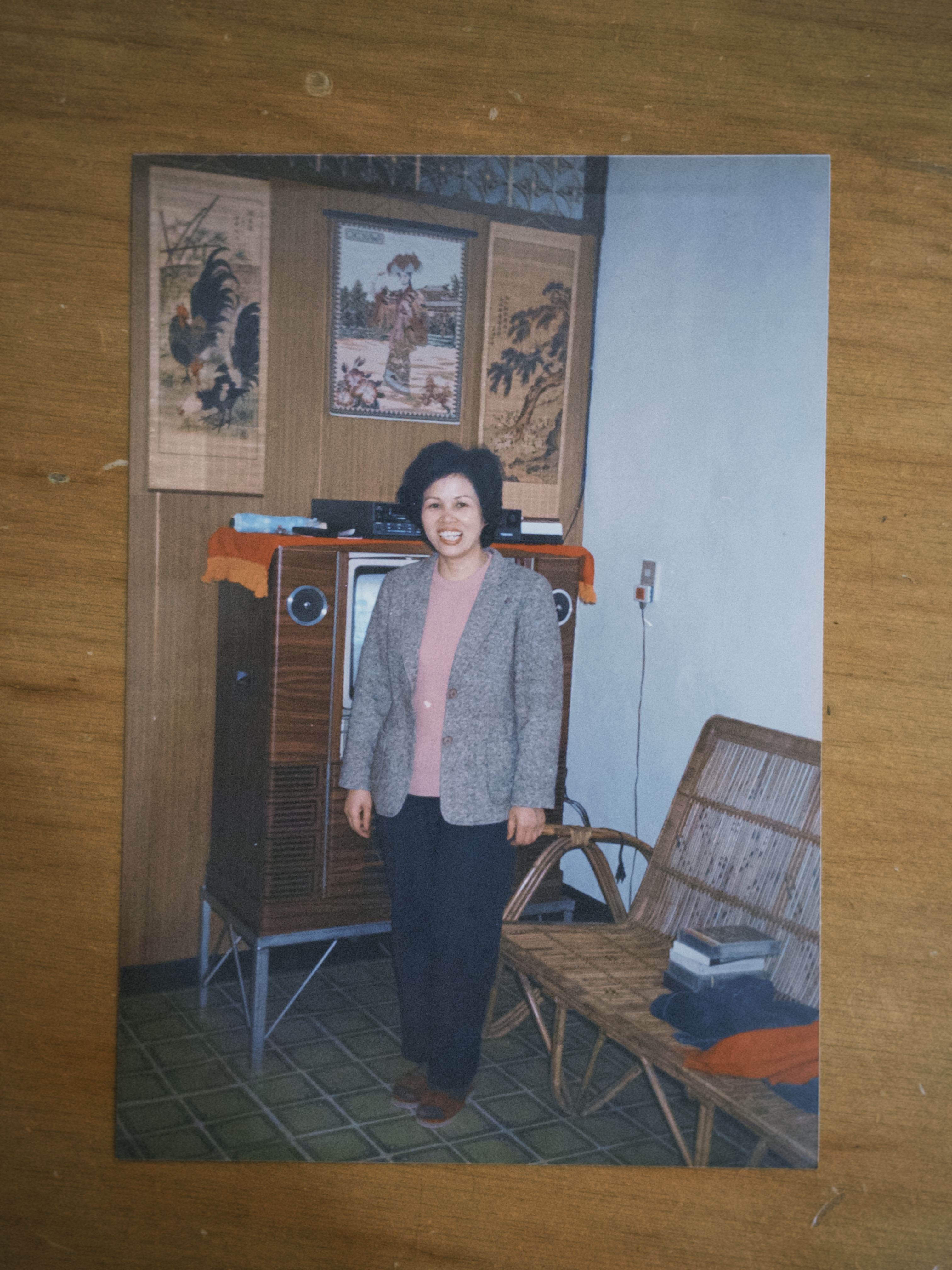
After the divorce, she resumed her own surname, Hô.
Ms Hô A-Buán, as she was known.
Her son and daughter kept their father’s surname, Liu. A-Buán occasionally rushed into the street to fight nosy people, kitchen spatula in hand. Most days, though, she was busy working.
This is where the second story unfolds.
Hô A-Buán, my Granny.
Mum says that when growing up, Granny never allow them go out to play until the cleaning was done. My uncle always had the easier task of cleaning the windows, but he was always shirking it. Mum would finish scrubbing the floor and then do the windows herself.
The house had only one storey then. Its floor was plain cement, as was common in Taiwanese homes at the time. Unless you got down on your knees and scrubbed carefully, stains would remain. Granny was a bit tight on cleanliness. If she came home and found that the cleaning had not been properly done, a beating is expected.
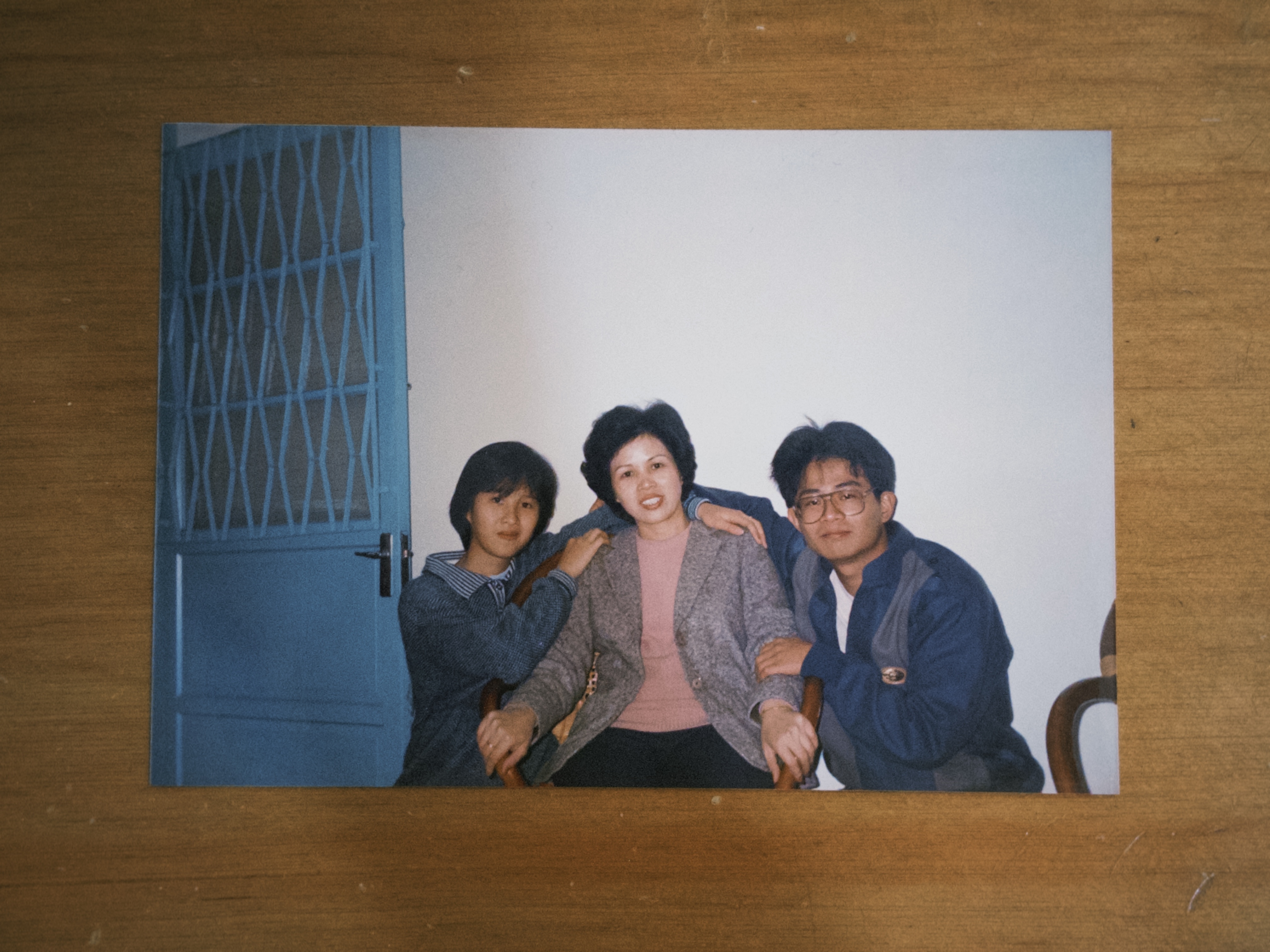
‘Granny used to be very stern.’
In her early days, she left home at six each morning to catch the bus that took the workers to a nearby factory.
Taiwan’s economy was flourishing by then. Taoyuan was full of light industry, particularly factories making textiles, shoes and metal parts. Granny had to leave early to catch the bus, so my uncle often prepared Mum’s milk when she was little. Fruit-flavoured powdered milk was a hype. My uncle was clumsy and could never get the lumps out; Mum would secretly pour it away.
After Granny and my grandfather divorced, the house was sealed by the court for a while. Apparently he had some financial difficulties elsewhere. Mum says she used to take a detour from school and wait for her classmates to leave before heading back.
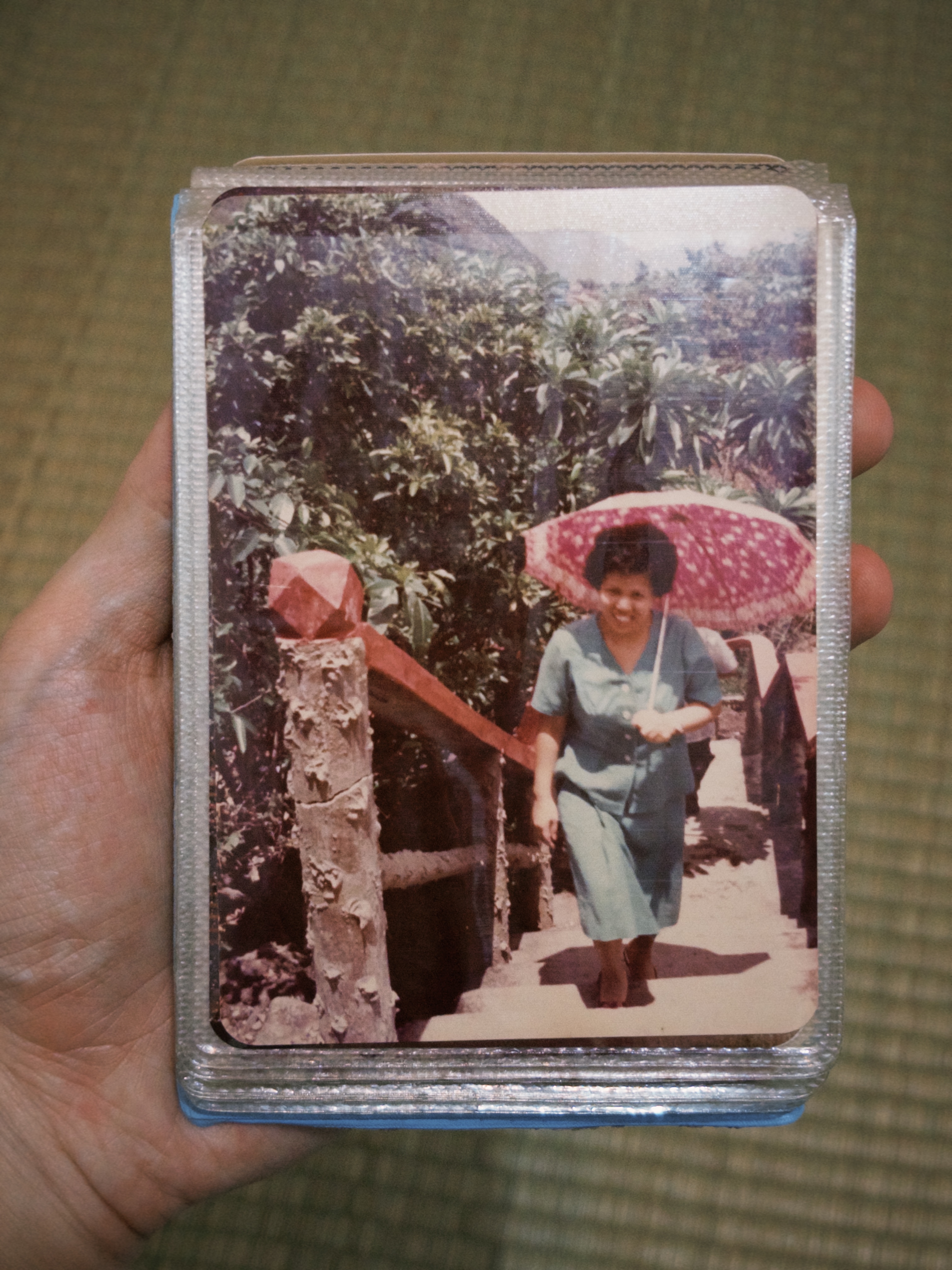
‘I am always grateful for Granny to work so hard to keep me in school.’
Mum left Zhongli and headed to Taipei for advance study. She worked hard at her part-time jobs when she was young. I have heard several versions of that story. Perhaps she felt some guilt alongside her gratitude to Granny. While studying, she worked at De Ji Bakery in Gongguan. She took the job so seriously that the owner asked her to stay on full-time. (I always said she received a return offer from a bakery.)
After graduation she worked for building contractors and property developers. It was a male-dominated industry. Mum was a young woman going from one building site to another. She left her first job because her employer thought highly of her ability and wanted her to take an office role, something like a secretary. Mum refused and resigned.
It was in the 70s: women were still expected to work in service, or contribute themselves wholly to the home.
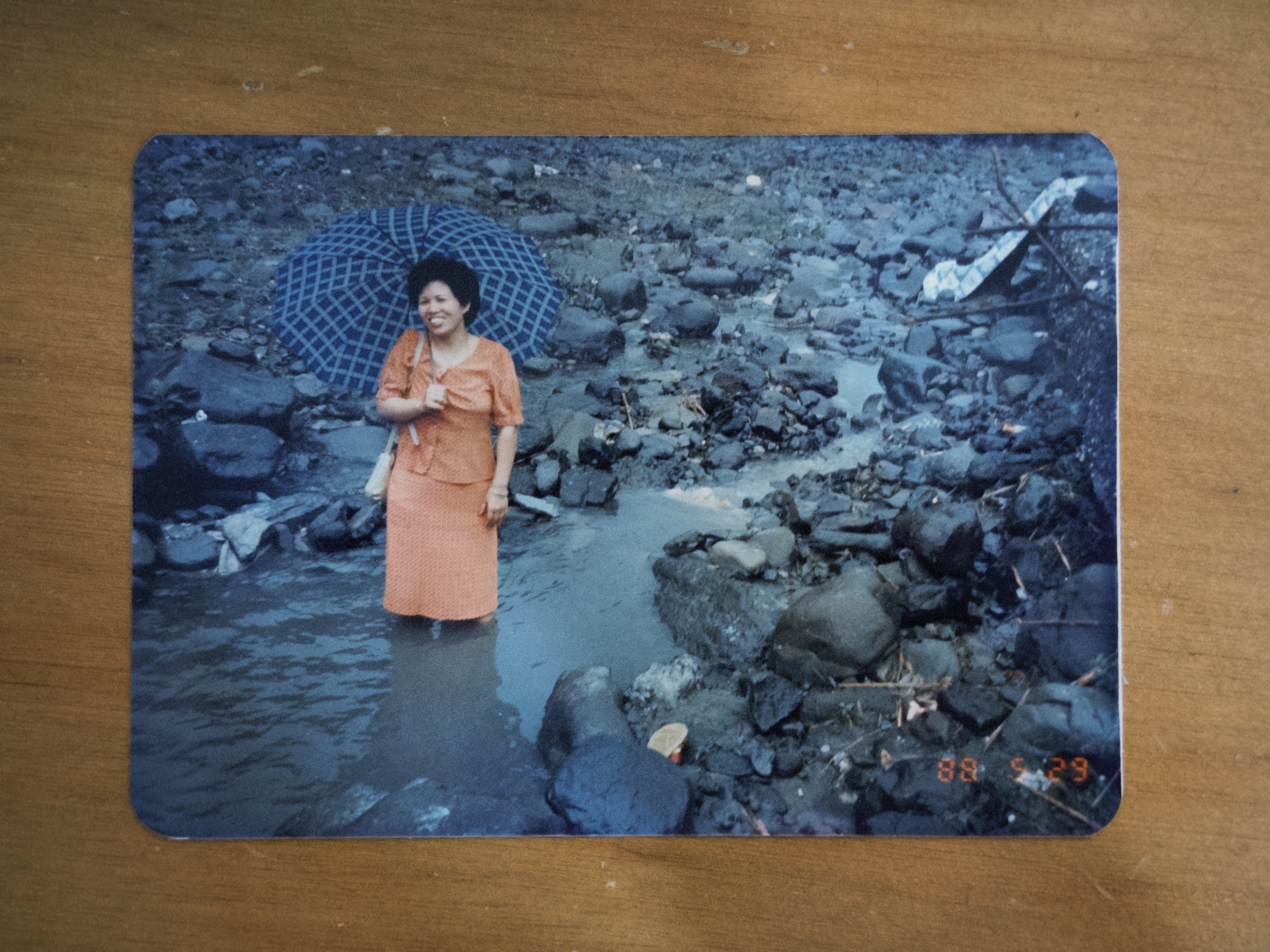
‘Zhongli has always seemed rather provincial to me.’
Young people who move north for work spend more time away from their families than with them. Mum has spoken of Zhongli a few times. When she does, I can hear a distance in her voice, a sense of estrangement that is difficult to put into words.
‘All I know of Zhongli is the Longgang roundabout, Sogo and home. Oh, and Zhongzhen Market.’ She has said this more than once. It is the Zhongli she remembers from leaving home at seventeen or eighteen.
Something provincial.
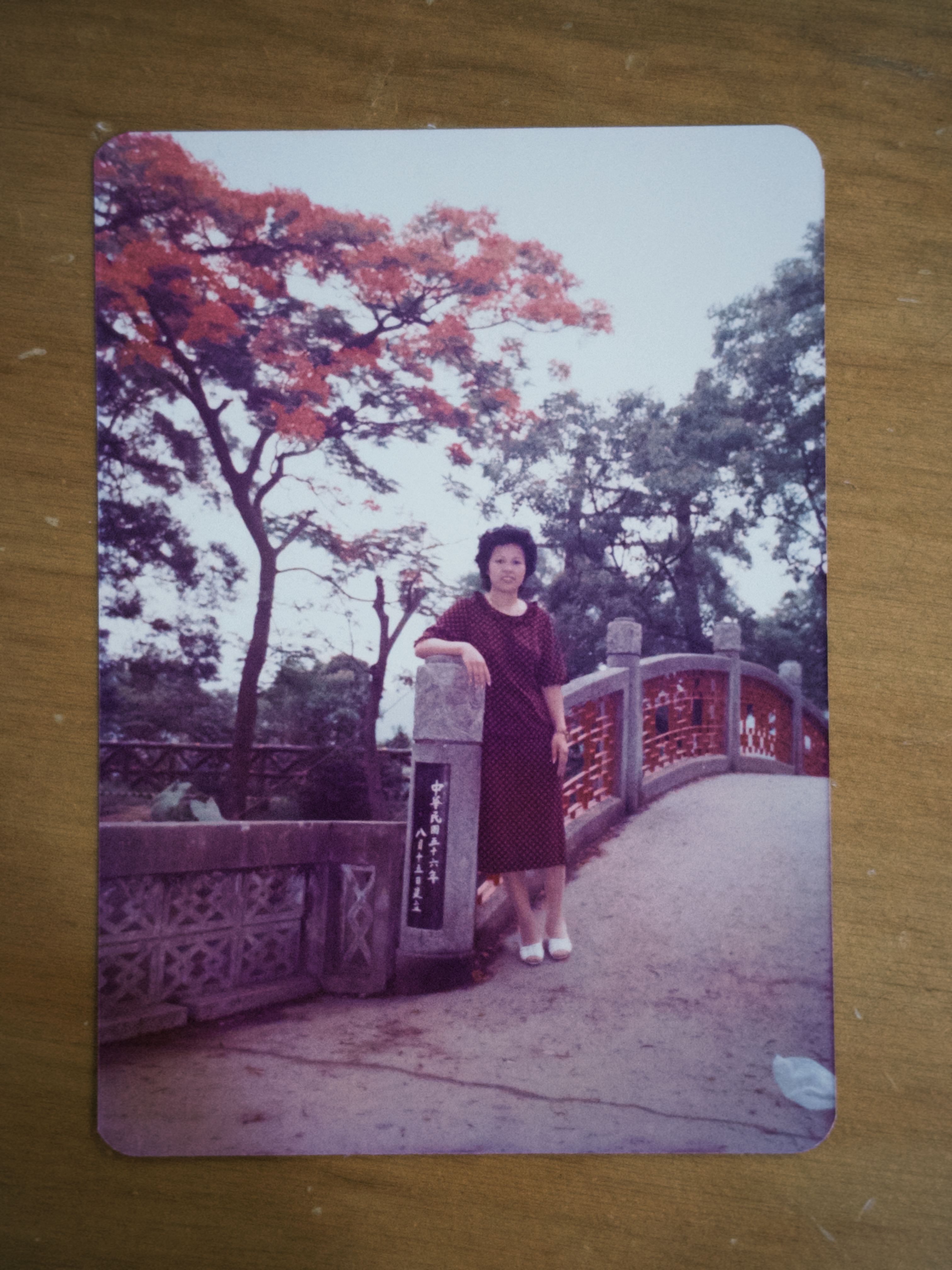
Once started working, Mum saved diligently. When she had a little over a million Taiwan dollars, she asked a contractor to rebuild the Zhongli house. It became a four-storey home for Granny and my uncle. She also saved enough to take Granny to Japan a few times. In the photographs you can see how Granny cared about her appearance. She had grown up in the days of studio portraits and would instinctively assume a solemn expression whenever she faced a camera.
Mum changed jobs a few more times. Somewhere along the way she met my father, and my sister’s story and mine began.
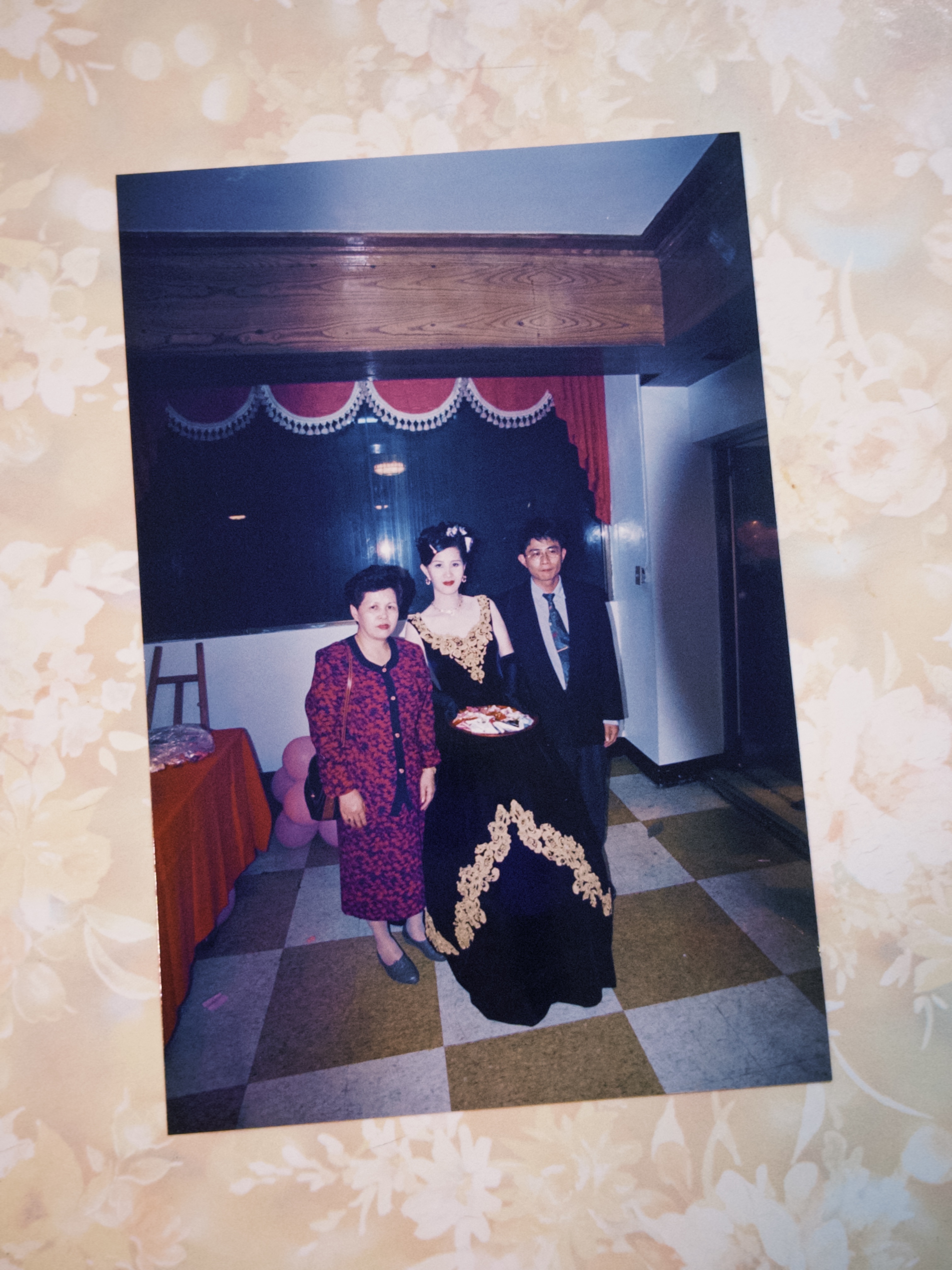
Granny in my memory is always smiling.
When I was small, I lived with Granny for a while. My sister was born two years later. Mum worried that looking after us would be too much for Granny, so she brought us back to Taipei and stayed home to care for us herself.
Throughout primary school, my sister and I spent our summer and winter holidays in Zhongli. Once, after quarrelling over the television, I announced in a great temper that I would never come back. Granny remembered. Even when I was at secondary school she would bring it up from time to time.
And indeed, I went back less often. I spent six years at a private secondary school in classes focused on preparing for entrance exams. Extra lessons took up about a month and a half of the holidays. Of the two weeks left, I would spend perhaps one in Zhongli. At university my visits became fewer still.
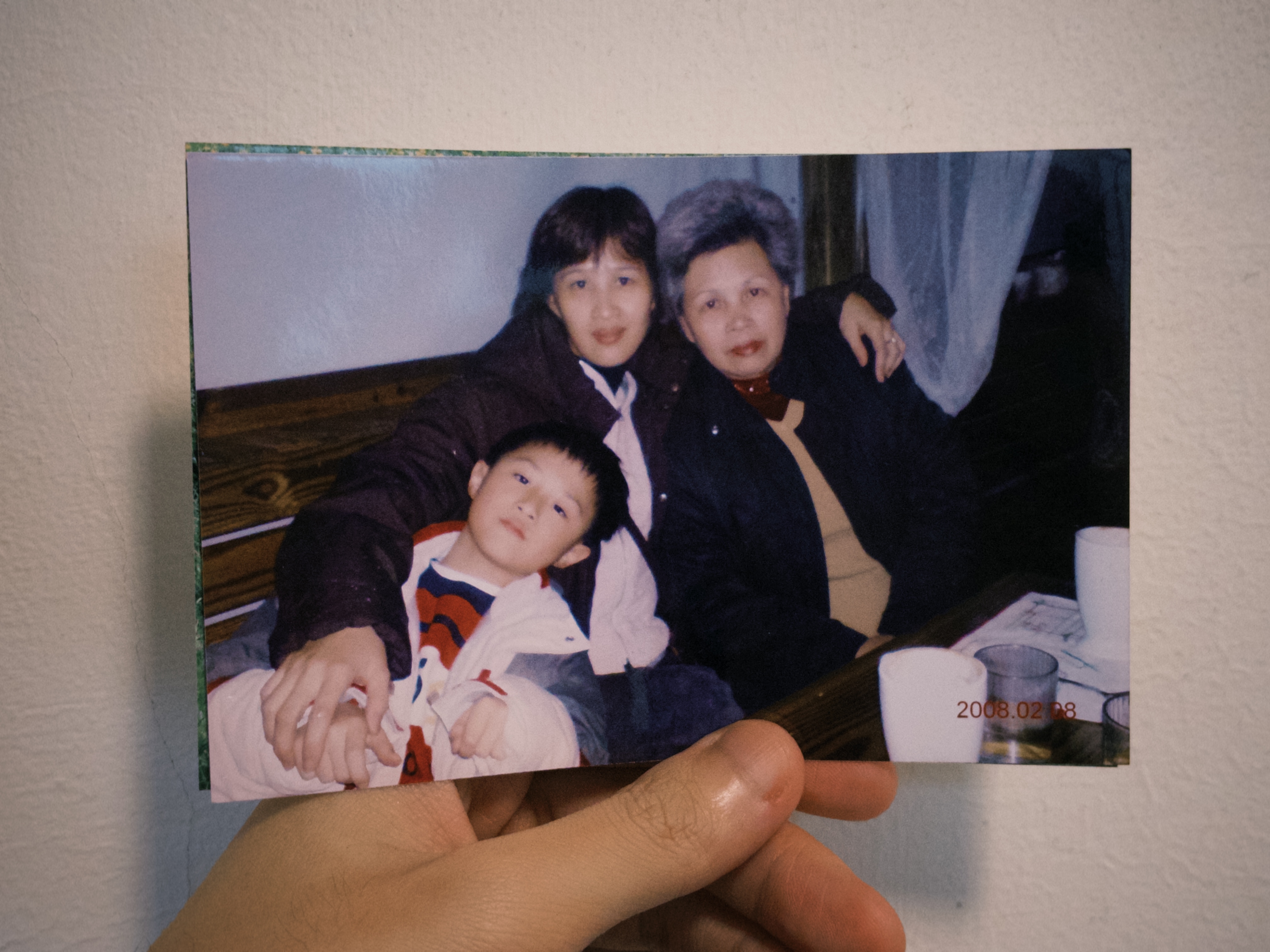
I think it was in my second or third year at university that I decided to spend a week or two at Zhongli. I had not stayed for a long time and wanted to practice Taiwanese with her. I remember little of that visit now, only with several fragmented memory.
Every morning, Granny bought breakfast and left it in the rice cooker downstairs. When I came down after ten, there was food waiting.
Milk tea, onion-and-meat patties, an egg pancake now and then.
The patties always came with the thick soy sauce I disliked. I did not drink milk tea either. I must have mentioned it several times, because Granny later began buying a cup of soya milk and a cup of black tea instead. I always mixed them myself.
Even when we told her there was no need to make a special trip, she went out all the same and returned with two bags of breakfast. That is Granny.
After that, I graduated as Covid-19 arrived, went to the UK, then returned and began working.
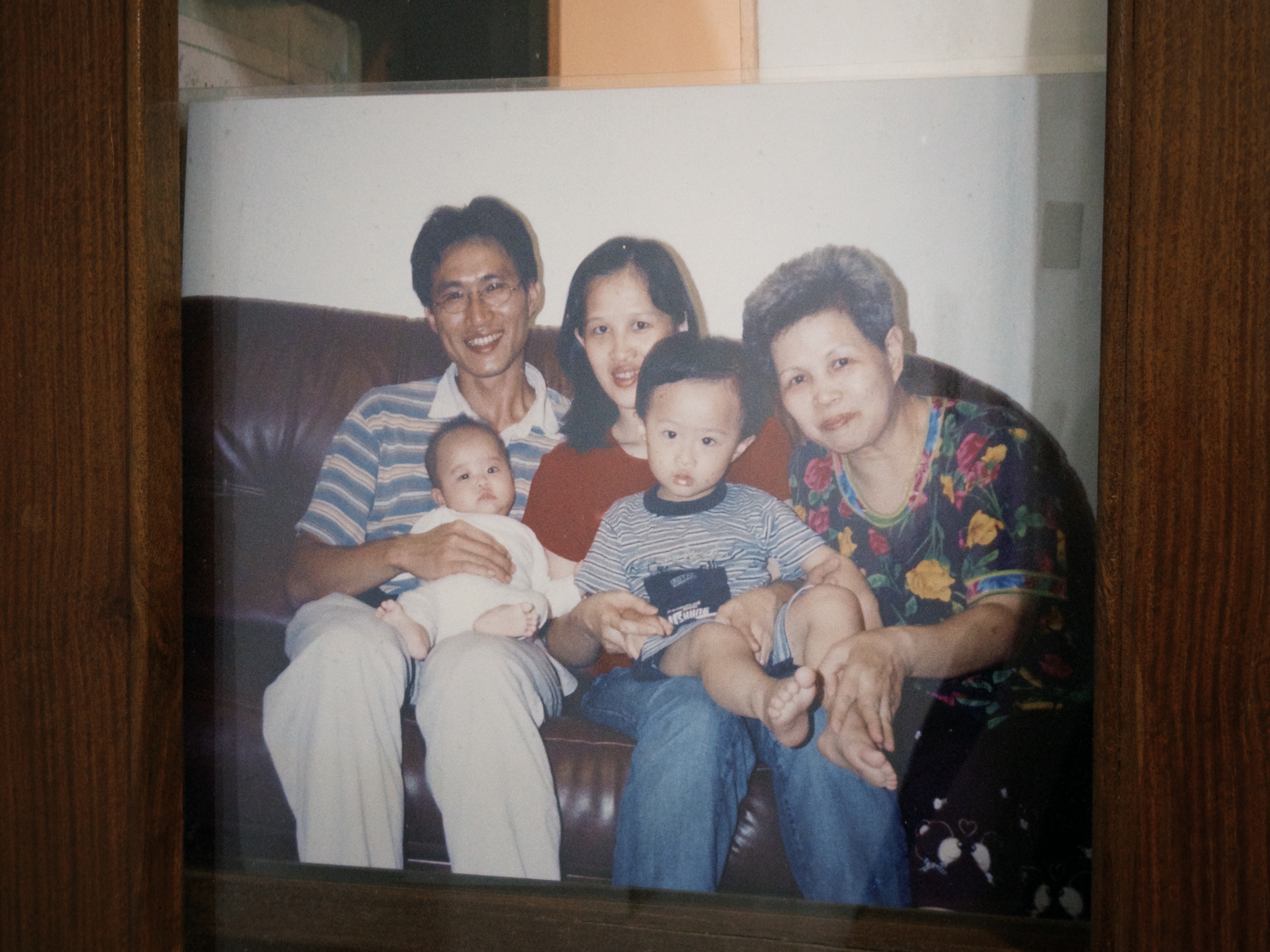
Ms Hô A-Buán, Granny in Zhongli, my mother’s mother. Our Granny.
I was fortunate enough to be part of your story for twenty-six years, as your grandson, your dearest darling. You went on doing so many different things after we were grown. These past few days I have heard so many stories about all those other sides of your life.
The night you parted with us, Mum said she was afraid she would forget how you look. I told her we will remember together. We will remember the different ways you had been part of our lives. This gives me the strength to write. For those who love you, to cherish and to remember your story.
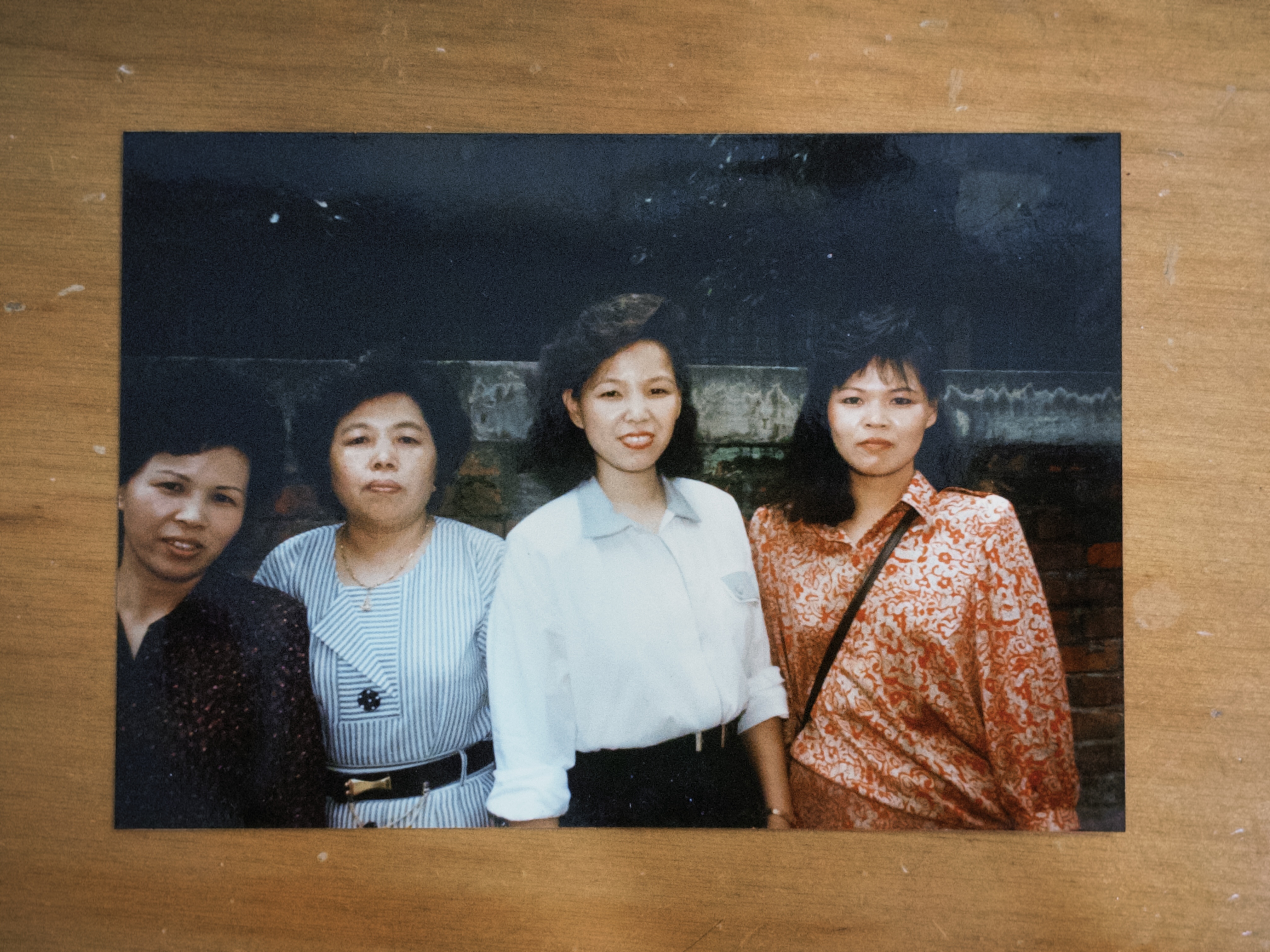
I admired the way you faced death. We all knew you were afraid of pain. You had told us long ago that you did not want resuscitation or intubation.
I am still sad I did not get to speak with you at the end.
People say elderlies did not wish to burden their children and grandchildren. They say you were blessed to go the way you did. But whatever happened, you could never have been a burden to us. We worried about your health just as you worried about how we were getting on in Taipei.
There are things we may not yet understand. I believe the answers will come to us, little by little.
Today is the sixth day since you left. I am about to take the train home for your seventh-day ceremony. I hope you will follow the bodhisattva, but do not go too quickly. Come visit us whenever you have time.
To Ms Hô A-Buán, my hero.
An update, on the evening of 27 October:
Granny, I did not cry at your seventh-day ceremony. Mum, our ‘Fat Mum’, wept bitterly when the monk asked whether anyone had something they wished to say to you. Yet as I chanted the Amitabha Sutra from beginning to end, I felt a particular calm.
More precisely, for the entire forty minutes I was less distracted than at any other time in the past year. My world was quiet. At the passages about wrongdoing and karma I felt tears coming, but the feeling passed with the words of the sutra.